

Over the summer, I visited Guildford Family Centre to be immersed in the day to day work of the team members and the roles of each individual in creating holistic care for the child, family and community in Guildford. I observed meetings, home visits, groups and interviewed staff to fully absorb the values, ethos and the impact of the work that occurs here.
Interestingly, when discussing what the team values were, each member of staff was consistent and clear about the fundamental principles by which they carry out their work. They demonstrated constant reflection on their work, reviewing whether their approach was working for the family and child, and focussed on developing their relationship with the family to facilitate the relationship between parent and child. At the core of their reflection they questioned, ‘What is life like for this child?’ and ‘What can I offer to enhance this?’ In this way, they were able to keep the child at the forefront, particularly when there are families with complex circumstances who may require a gentle but firm approach. The family support workers (FSW) act as reminders to centre the needs of the child.
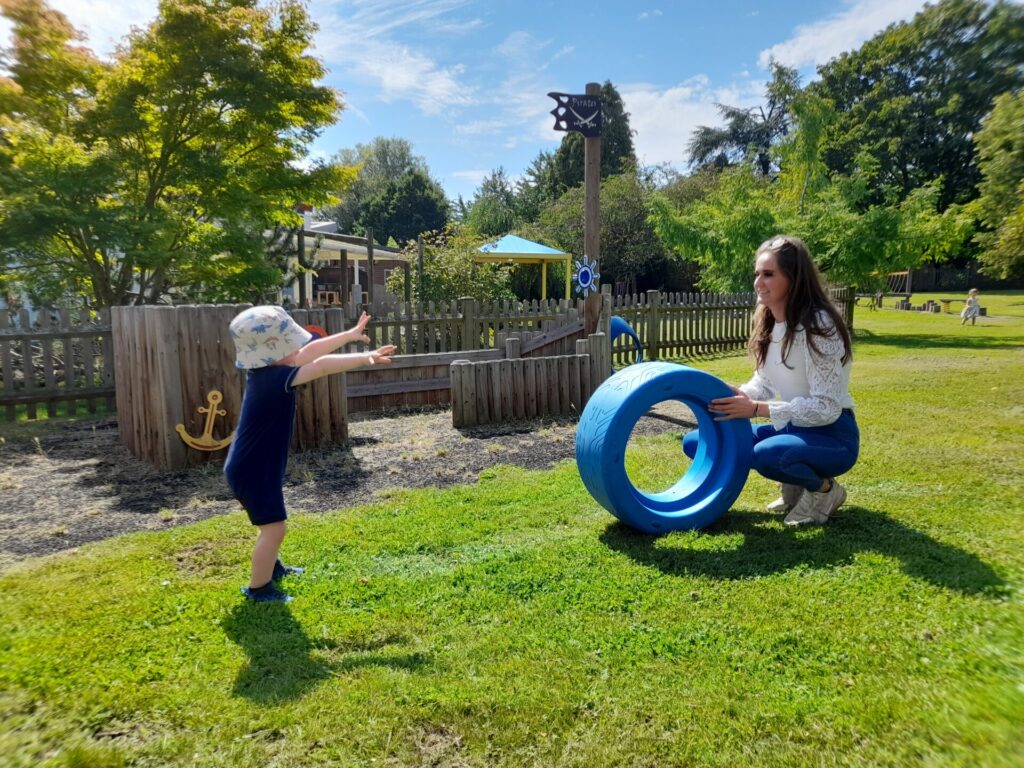
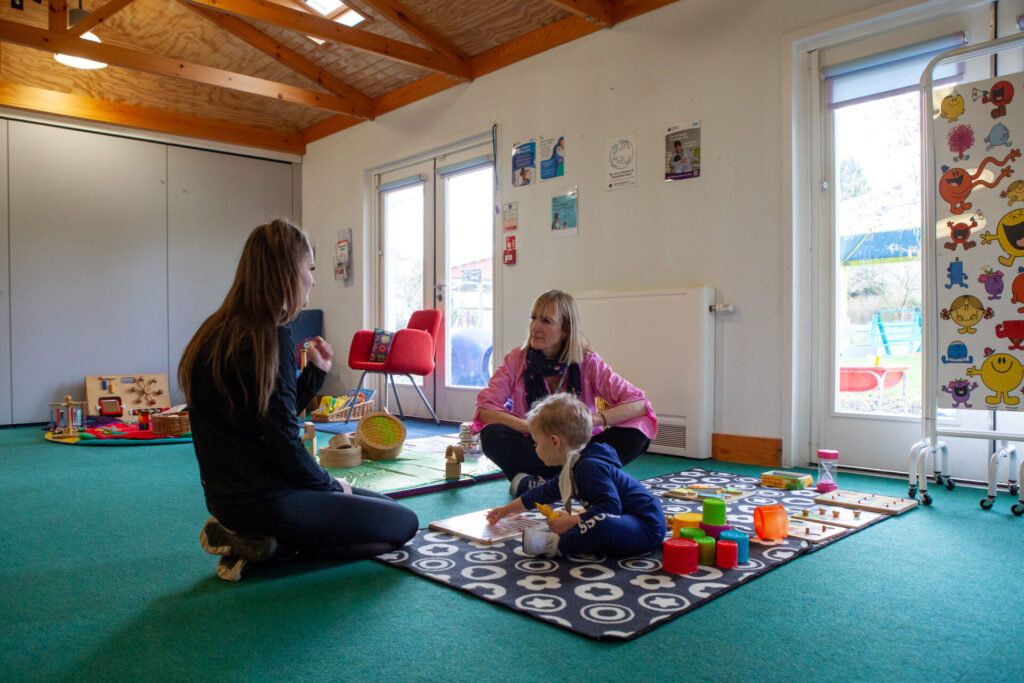
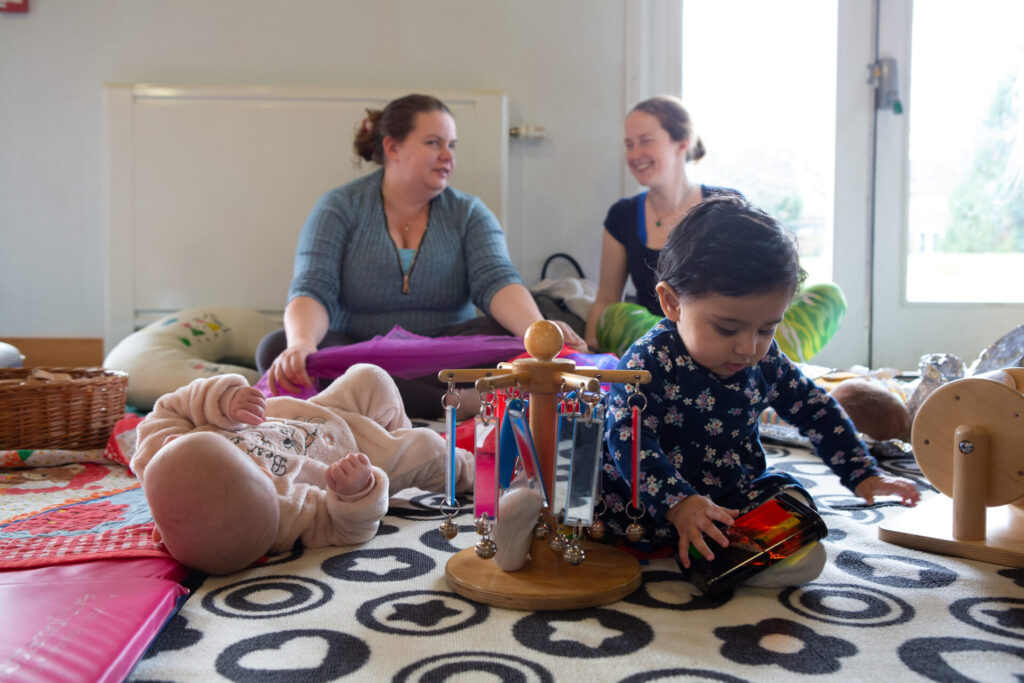
The Family Centre works with a range of ages, offering groups for parents and their children such as Wriggles and Giggles for non-mobile babies, a Young Parents group, and SENDsory play for children with additional needs or disability. Each group fills a specific gap in the community, for example, the Young Parents group shared how they struggled to find others who were going through the same thing as them. They shared how they felt when attending other stay and play groups where there may have been some judgement from others. In response to this the Young Parents group has created a small supportive community. In the SENDsory Play group the Family Centre invites professionals such as health visitors or physiotherapists for families to informally chat with to check or ask for advice that will support their child.
The Family Centre is structured and organised in a way that enables each team member to offer their best. Each team member contributes to the family and community in some way, and each values the importance of their role and their colleagues. There is a clear joined-up approach underpinned in their ways of working. All stakeholders – professionals, outreach services, agencies and charities – all feed in to support the family for a specific type of support at the relevant time.
Having a joined-up approach is not simple to achieve, and it requires regular contact and networking within the community and beyond to ensure that organisations know what the Family Centre offers to the community and how each might support one another. There is a sense of a web-like system, which covers the whole of Guildford borough, and being able to pinpoint and target support in certain areas, or with certain families, requires a strategic approach from the Family Centre. These approaches enable the FSWs to be able to draw from a variety of resources to ensure that the support they provide is tailored appropriately to the child and family.
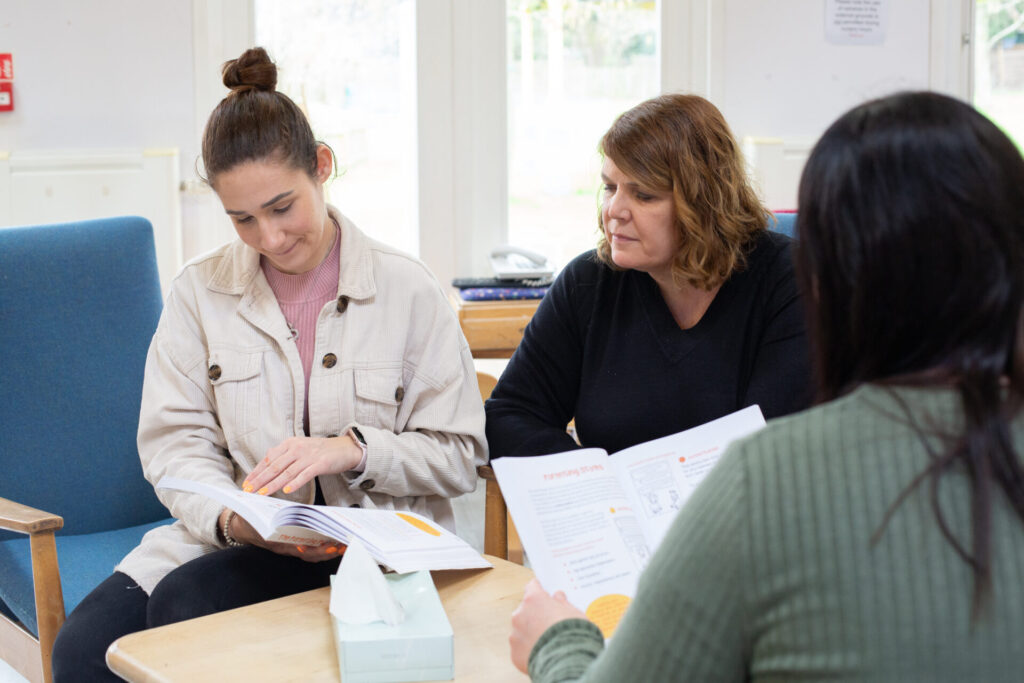
The Family Centre may offer support and advice discreetly, or perhaps ‘drip feed’ where appropriate. Each time they consider what the family needs to enhance the support for their child – this might be education, courses or drop ins to help families in understanding their child when this relationship may be challenging. For example, if a family is struggling with their child’s behaviour, the FSW will look at the child and family holistically, considering what the child’s voice is and what is causing this behaviour. The FSW will then help the family to understand their child, giving parents new understanding about behaviour or empathy towards their child, often retracing steps and framing the behaviour within child development. The FSW may also provide support for the parent in creating and maintaining healthy boundaries and taking on a gentle but firm approach with their children. This holistic viewpoint supports the family and releases frustration from both child and family, and most importantly, nurtures the relationship between family and child.
Another type of support the Family Centre has offered is mediating conflict within families. This might be negotiating a new type of relationship with a parent or family member. FSWs ensure that the child is not forgotten within this conflict, and remind families that children are often absorbing what is going on around them, and to consider the needs of the child who may also be feeling grief or confusing and mixed emotions from the conflict they are witnessing.
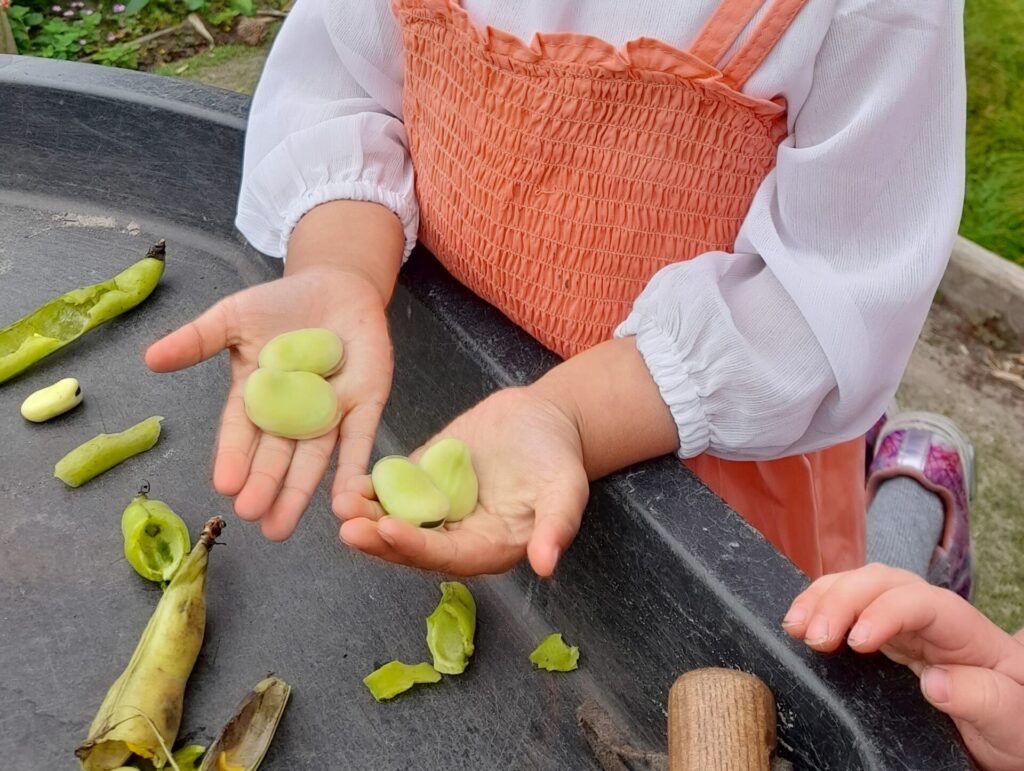
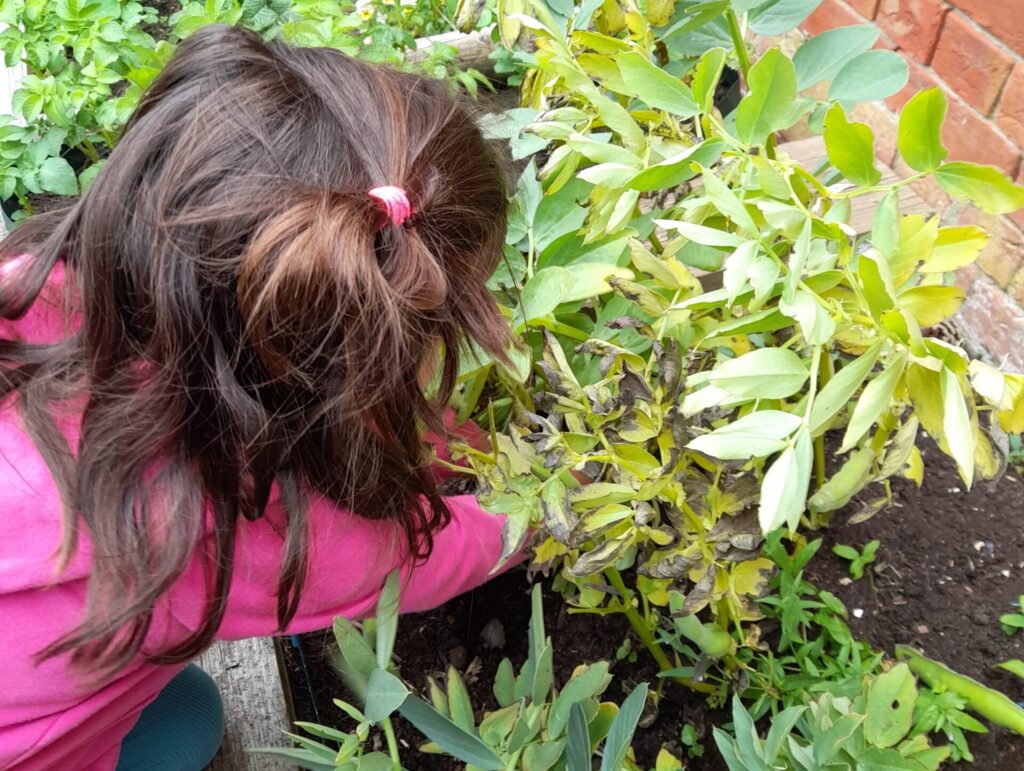

As mentioned, the Family Centre offers drop-in groups which offer a variety of new resources that may not be available at home or ideas of what families could do at home themselves. Coming to these groups act as a respite for families, an opportunity to develop friendships and community and for children to socialise. In these groups there is also learning taking place. For example, in the community gardening group the children were exploring the different vegetables that had been growing, they were pulling carrots which were often quite tough to pull and therefore developing their strength, and finally eating fresh carrots which they’d planted themselves. This process helps children to understand how vegetables grow and develop an appreciation of the process of ‘seed to plate’. Having these experiences and engaging with nature offers learning, but also a positive sense of well-being.
The Family Centre recognises how nature, community building and proactive support can provide holistic care for the child and family. In their multi-prong approach, the Family Centre endeavours to reach families who are struggling, in isolation or with complex circumstances. They build confidence and hope for the families and support the child by facilitating a nurturing environment at home or within the community. Through constant reflection, the FSWs continue to develop their practice and ensure they are meeting the needs of the child, family and community.

The Family Centre’s ethos towards holistic family support, in turn, supports the child and family as a member of the community and a citizen of the world. The quote below from Friedrich Froebel (an educational philosopher) encapsulates the role in which the Family Centre enables families in taking on the responsibility of raising the next generation:
by Rachna Joshi (Freelance Writer and Early Years Consultant)
“Every child should be accepted as an indispensable and essential member of the human race and parents should recognise that they are responsible as their guardians to… humanity as well as to the child.”
(Froebel in Lilley 1967:57)
References
Lilley I. (1967) Friedrich Froebel: A selection from his writings Cambridge University Press.